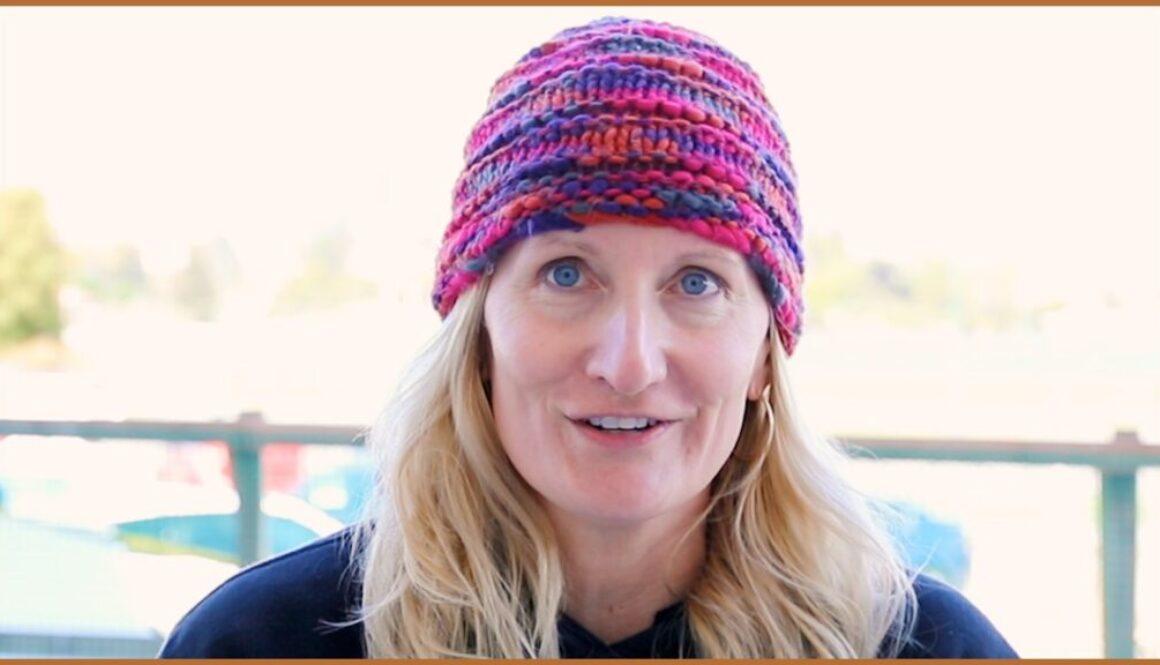
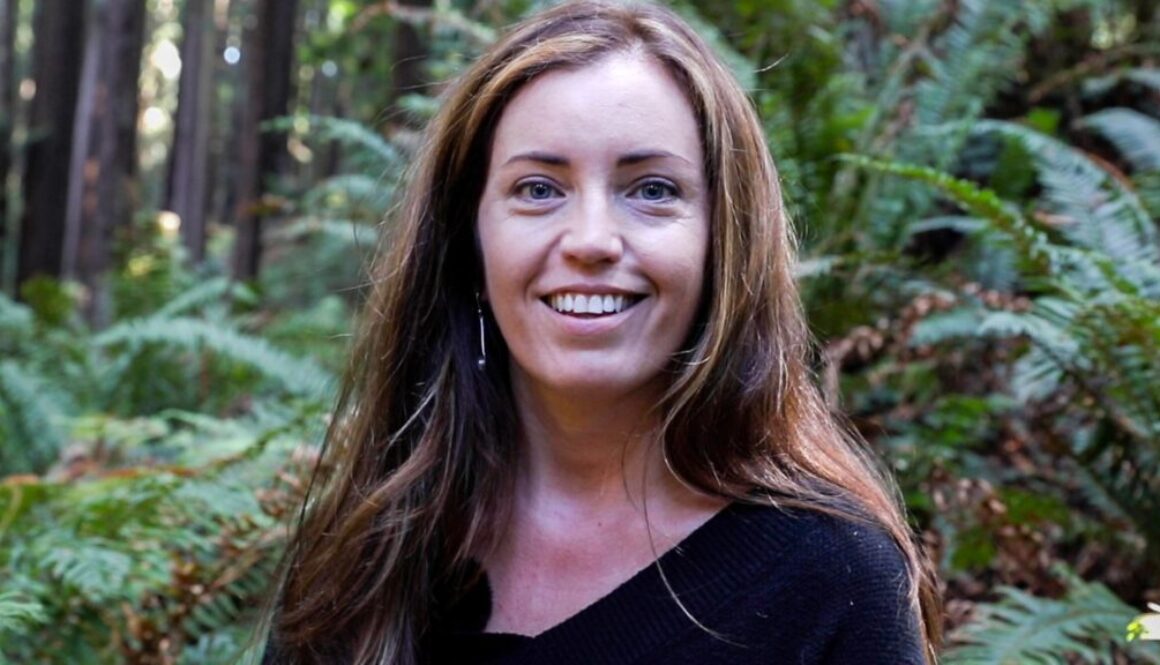
Deidra, a nurse from Santa Cruz, shares her experiences with psilocybin mushrooms which she began using three months ago after a friend’s recommendation.
Initially skeptical, Deidra found that the mushrooms allowed her to uncover deep-seated psychological issues that traditional therapy couldn’t access. She recounts a significant trip where suppressed childhood memories of witnessing animal suffering surfaced and were processed emotionally. Deidra believes that psychedelics have profoundly impacted her mental health, offering insights and healing that surpassed conventional talk therapy. She advocates for the decriminalization and normalization of psychedelics, criticizing the current war on drugs and its impact on society. Deidra emphasizes the importance of trusting nature, being open to alternative healing modalities, and integrating lessons from psychedelic experiences into daily life.
Watch: ER Nurse’s Life-Changing Experience with Psilocybin Mushrooms (Deidra’s testimonial)
I’m very new to psychedelics. About three months ago, I had a friend recommend psilocybin mushrooms to me, and so I did go up to Zide Door Church and become a member and got Loving Teacher mushrooms for my first experience, and I had some really good experiences.
I had happy, lighthearted, incredible experiences the first couple of times I used mushrooms. But it amazed me. I had a mushroom experience where in the three or four hours that I was on that trip, I had things come out that I didn’t realize were bothering me. I’ve been to a lot of therapy in my life and at different times.
I’m a nurse, so I’m aware of the medical world and mental health and that sort of thing. What the mushrooms brought out had never come out in my therapy sessions with anyone.
What the mushrooms brought out had never come out in my therapy sessions with anyone.
Deidra’s mushroom journey
They showed me that when I was little, I was with my dad who was a veterinarian. And from the time I was an infant until I was an adult, I was with him all the time. I was with him as his clinic. I helped him a lot. And I witnessed a lot and I didn’t forget any of these memories.
The mushrooms showed me these memories were bothering me and that I had experienced as a very young child, witnessing a lot of suffering and pain of animals, and I didn’t know what to do with it. Yeah, so really I had no idea. like frozen that in my subconscious. I think frozen it in my psyche. It was as if it was all there. I still had all the memories.
So in that time, I just saw myself as that little child witnessing lots of things happen to animals at my dad’s hands. Just things that they do in medicine and in farming. Things in documentaries, de-horning, lots of different types of veterinary medicine. I witnessed all of it and the animals not getting anesthesia and they’re in pain.
And I’m very empathetic and very sensitive to energy and always have been and I’m just standing there watching this from the time I was tiny.
The mushrooms helped me access things that were almost locked up in the basement of my psyche or the attic of my psyche that I didn’t even know were there, didn’t even know were bothering me.
One of the biggest changes I’ve seen since that trip is I don’t wanna die anymore. I had a whole year where I really just didn’t want to live, and not that I was.
One of the biggest changes I’ve seen since that trip is I don’t wanna die anymore.
As an ER nurse, what would you share with others about psychedelics?
I’ve been front lines helping people in mental health crisis and we throw a lot of medications at them. We sedate them, we restrain them chemically and physically and then we put them on drugs.
They keep having to go back to that don’t necessarily help. So I would love for this to be completely legalized and normalized everywhere. It’s plants. It’s plants.
I would love for it to just be accessible to everyone. And not gate kept. And not illegal.
I’m really angry at our American system and the whole war on drugs. It’s really been a war on people. It’s mostly a war on people of color and certain communities.
I’m really angry at our American system and the whole war on drugs.
Make a Donation
Your donation will help us publish more personal stories involving psychedelics to transform public opinion, reduce stigmas, and redefine wellness. It can also help self lives.
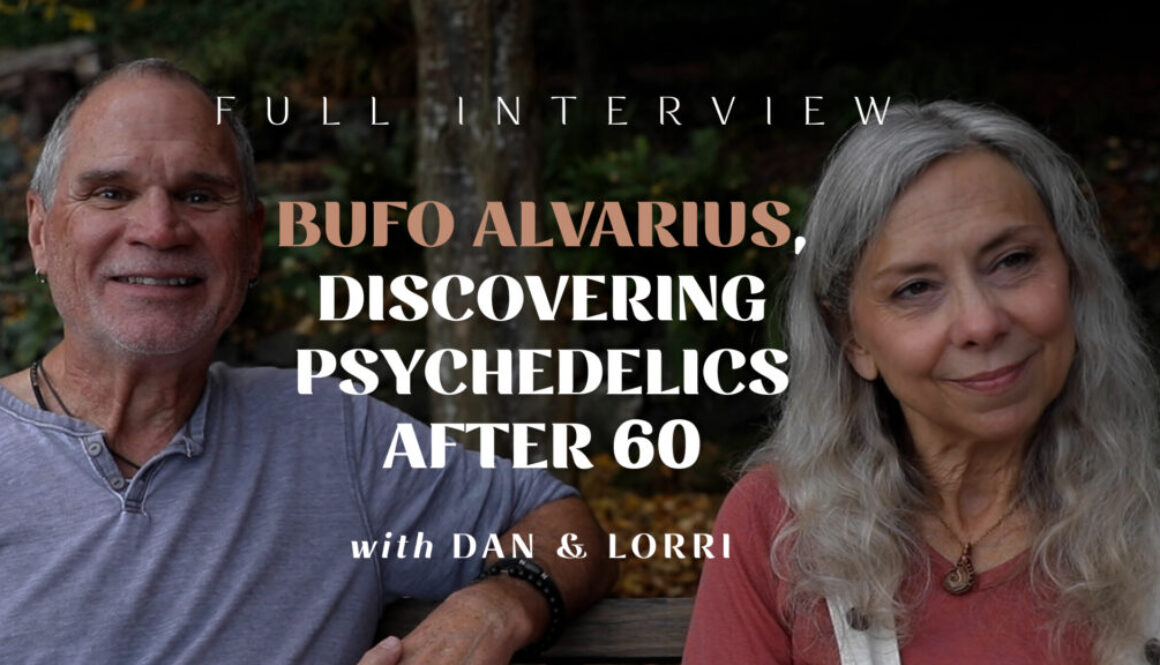
Dan was a Fundamental Baptist Pastor for a big chunk of his life and Lorri was a mother who suffered from depression for much of her life. Dan and Lorri both had life transforming psychedelic experiences that they agreed to share with us. We were eager to listen.
Discovering psychedelics after 60 with Dan and Lorri
Watch “Spiritual Awakening with Bufo Alvarius”
I come from an Ohio Baptist fundamental background, and my father was a pastor and I was a pastor as well, a fundamental pastor in New York City and Las Vegas. -Dan Sabaka
https://www.youtube.com/watch?v=Tc2flAakTsg
Watch “Mother Using Plant Medicine: Lorri describes her experience with Bufo Alvarius”
The medicine acted as nature’s electroshock therapy and cured me of depression, a lifetime of depression. -Lorri
https://www.youtube.com/watch?v=hqDvJfO_kT0
Watch the full interview with Dan & Lorri
https://vimeo.com/875286332?share=copy
What do you do for the community?
Lorri I’m from Olympia, Washington, and we would like to start a psychedelic integration circle there. So we’ve come to the Port Townsend Society Circle a time or two to find out how they conduct their circles. But anyway, we’ve come here to learn from those who have gone a little farther ahead in the process than we have as far as integration and decriminalization. We’re interested in all of those fronts, but especially with integration.
How does it feel to be able to be in an open room and just openly talk about psychedelics?
Dan It’s kind of a hearth, a home kind of feeling.
We were just speaking with the couple and I just witnessed lots of folks who are dying to have someone listen to their experience. And because experience is such a dynamic thing to be able to share with someone listening back is pretty prolific and beyond the clinical just somebody to listen and say, ‘Yeah, I’ve done that, you know, I connect to that.’
That’s pretty cool.
I come from an Ohio Baptist fundamental background, and my father was a pastor and I was a pastor as well, a fundamental pastor in New York City and Las Vegas.
-Dan
And I moved to Olympia about three years ago. And I’m 68 right now.
How did you come to the plant medicines?
Lorri Well, my first significant psychedelic experience was ayahuasca.
In 2017, my son and I had sort of a private ceremony, which was amazing, life changing. But the real kicker was the Bufo in 2020. And I did that because my oldest daughter had done it and recommended that I do it as well, and in fact bought me a session for Mother’s Day.
And so I came at it from an entirely different direction than most people do. My child who was recommending to her mother that she have this experience.
The medicine acted as nature’s electroshock therapy and cured me of depression, a lifetime of depression. -Lori
And that was not an expectation going in. I just went in wide open to receive whatever it was I was going to receive from that sacrament, medicine or tool, whatever you want to call it.
And it took a little while for me to realize a few months later that I was free of depression after a lifetime of depression.
What plans do you have for your community?
Lorri We’re creating Integration Circle in Olympia where other people who have just had not just a bufo experience, but any kind of psychedelic experience. They can come and share that with other people who have had those kinds of life altering experiences as well.
And for me it’s been more of an unfolding. The first experience was just an explosion. It unfolded as the weeks and months went by and it would have been nice to have a community to talk to.
Luckily, I have Dan and our soul sister, and the three of us helped each other integrate.
I would say we’re trying to create a safe, soft place to land after we’ve had one of these just paradigm shifting experiences.
Bufo is only about 10 minutes. It is called the business person’s psychedelic because you can literally do it on your lunch hour and go back to work, but you will be transformed. And it is nice to have a place to go where you can talk about that transformation.
Dan Mother Earth has all this capacity to connect with this human condition that is filled with consciousness and filled with all this beauty and wonder.
I believe that Mama Earth knows the way as I know my way. -Dan
Additional Resources
https://www.youtube.com/watch?v=ODHBwzYyvc0
Support The Normalize Psychedelics Project
It’s our mission to create a platform for healing testimonials involving psychedelics to help shift the public narrative in a meaningful way. If this content has given you value, please consider supporting us.
Share these videos and other healing testimonials with your friends and family
Jen Bruce is a functional nutritionist, psychedelic practitioner, author, and activist who specializes in helping people heal themselves from chronic mental and physical health conditions through a trauma-informed lens. Jen is the owner of The Recovery Reset, a coaching program that helps others heal through her signature programs. In this interview Jen talks about healing from addiction with Ibogaine and also with traditional approaches like The Twelve Steps.
Jen has been on her own healing journey for 12 years, successfully overcoming alcohol addiction, depression, and numerous chronic health conditions with the information and modalities she now shares with the world. Read more about Jen on her site.
Jen’s story of recovery
Jen: My name is Jen Bruce and I live in Arcada, California. I’m a member of Decriminalize Nature. I also work in the field. For the last seven years, I’ve been a preparation and integration specialist for people that are utilizing psychedelic medicines for healing from a myriad of different conditions. But generally trauma, addiction, and mental health are my three main ones that I work with. I’m in recovery myself. I was in addiction to primarily alcohol for 17 years. I had been sober for almost 12 years now, January 2nd, 2023.
I was born into a family that carried a tremendous amount of generational trauma. My grandfather and my father, my great grandfather all served in the armed forces. I’m half Irish and half Scandinavian and drinking was a way of life.
At a really young age, I actually ended up leaving home and going on Grateful Dead tour. So at my relatively young age for that era, I was able to experience the psychedelic era that was kind of trailing out from the sixties. And I grew up in Eugene, Oregon, so I had my first psychedelic experiences were within the Grateful Dead community.
There is a lot of beauty, but there was not a therapeutic container and there’s a lot of other drugs and a lot of other things. And due to my family’s background and my wiring and my genes and my entire constellation, I fell into addiction in that scene.
On choosing sobriety with The Twelve Steps
Jen: Fast forward, many years later, I chose sobriety and I really applied myself to the traditional program of 12 step, and it saved my life. And I learned how to not drink and to have my life be manageable. And a lot of really great things started to happen. I got into yoga and that helped me. I’ve been to India many times. I got into nutrition that helped me.
When I started out my journey to sobriety, I was like all of us with addiction stories, diagnosed with depression and anxiety disorder and PTSD.
So you can imagine when you put down your medicine, and in my case, was alcohol. Those things, although they improved, they still remained and like most people with addiction issues, that addictive tendency was still there.
What brought me to my knees and recovery was my work addiction.
So I was five years sober, as a last ditch efforts, before I went the pharmaceutical route and the reason I was not interested in that, as I’d seen hundreds of people around me put on prescription medication and although they may not have been struggling as badly with the symptoms that they were diagnosed with, they also couldn’t feel anything at all.
On finding Ibogaine in Mexico
Jen: I was feeling so bad in recovery, fully applying myself to all the things I mentioned that I felt as a mother of a young daughter, two years old at this time, that that was maybe my only hope to function.
I was exhausted. I had fibromyalgia. They called it chronic pain. I had fatigue. It was just exhausting. And so although I had gotten my life back from alcohol, it wasn’t much of a life to be living.
As a last ditch effort, I went down to Mexico because I’d seen a few people I knew go down for addiction purposes and to get treated by this medicine called Ibogaine, which comes from the country of Gabon in Africa, and Bwiti, the Pygmy people.
I went down. I took the last money I had. I was scared to death. I left my two year old little girl at home. I got ostracized from a 12-step community for choosing to do this because it was a mind altering substance. But I was in a position where if I didn’t alter my mind, I wasn’t going to make it.
The Ibogaine experience
Jen: What happened down there was absolutely magical. I think the first thing that I said after I came out of my experience was that this is the medicine they tell us as people in recovery doesn’t exist. It doesn’t exist, but it did. And the outcome of that experience was that it was a very first time in my life that I’d actually felt good in my own body.
I had no pain. I had no anxiety. I had no fatigue. I had no sadness. I had no depression. I was able for the first time in my life to have a slideshow and have no emotional charge behind it. It was absolutely 100% at peace and ease.
One of the first things that happened after my ibogaine experience was that I could do a slideshow of all the faces and all the people because I’d been through a tremendously long period of painful events for decades and decades of my life.
It’s not to be a victim. Everything is happening for us and I’ve got to learn and grow. So, it’s not like a pity story here. It’s just simply what happened. But I was able for the first time in my life to have a slideshow and have no emotional charge behind it. It was absolutely 100% at peace and ease.
I also realized that I was born in fight or flight response because I was born to a mother who is under a tremendous amount of stress herself while in the womb and we now know this is true through epigenetics. So it gave me the freedom to experience wellness in my own body and ever since then, that’s been my North Star in my life of what I need to do more of to maintain that feeling of wellness and that ability to viscerally experience feeling good in your own skin is so motivating I mean, it’s the greatest relapse prevention tool that I have is because I know how I can feel most of the time and it’s because of that ibogaine.
So I came home, dropped everything I was doing and I’ve been working in this field ever since.
The Twelve Steps program and how can we work in tandem with AA to accept other sacred medicines
Jen: What I will say about that is we don’t need to create anything new for the addiction epidemic.
I have spent much time in 12 step and I love it.
I taught the 12 step workshop to hundreds of people over the years.
I’ve spent lots of time in the yoga community, and there’s wisdom and medicine there. I’ve spent a ton of time in the medicine community now, and there’s so much wisdom there.
I have spent so much time in the nutrition and functional medicine community and there’s so much information there, and there are some things that we have been doing of the traditional model.
My hope is that we can all come together and start seeing the benefits of each modality and how that they can come together, because we do have a full robust, powerful program of recovery.
I know in the studies in Johns Hopkins right now where they’re using one dose of psilocybin, I believe, but in the proper container of setting integration and all the other things, therapy, trauma work that after a year they’re seeing an 80% cessation success rate with alcoholics. I mean, that’s unheard of. We’re looking at about an 8% success rate across the board right now.
What I can personally tell you, not from studies, but from being in these rooms, but that is a true figure.
Every single modality has the same failure rate because they’re incomplete. So the biggest block I see to moving forward and allowing the people that need to access this medicine the most.
I believe addiction is a particular kind of PTSD and nothing more or less. Recovery culture itself needs to stop being so frightened of possibility and embrace those of us that have gone forward and done some experimentation and trust that these experiences are real.
That being said. psychedelic medicines are not going to be for everybody. But we can learn from how these psychedelics are helping the people that are utilizing them within our own process and how to work through our issues in a similar way.
Some of us may not even need to take the medicine if we can just learn how the medicine is working for people and teaching us how to heal ourselves. Because that’s all we’re doing with this work is learning how to heal ourselves.
Watch the full interview of about Jen heal from addiction with Ibogaine
In this interview Danielle discusses the benefits, protocols, and integration of microdosing psilocybin mushrooms, addressing topics like managing depression, anxiety, PTSD, and helping individuals get off SSRIs. Danielle also highlights the significance of intention, support, and journaling in a microdosing program, while warning about potential risks for people with certain conditions. To learn more about Danielle’s work visit her website Microdosing Humboldt
About Danielle Daniel
Danielle was born and raised in Humboldt County and is dedicated to educating the community about the healing powers of psychoactive plants and fungi, along with providing support to community members during their path of healing.
For the last 10 years she has been studying psychedelics, along with personally benefiting through therapeutic exploration. She has experienced profound personal healing and fulfilment by working with psychoactive plants and fungi.
In May of 2021 Danielle received a Master of Arts in Sociology, with a focus on psilocybin mushrooms. Her thesis focused on those who took psilocybin mushrooms long-term, and explored the experience and motivation behind working with this medicine. You can read her thesis here.
After completing her degree she spearheaded the decriminalization movement in Arcata, CA in May 2021. Danielle became the Lead Organizer of Decriminalize Nature Humboldt. On October 6th 2021 psychoactive plants and fungi were decriminalized in Arcata. Danielle stepped down from her Lead position in February 2022, in order to focus her energy on her offering as a microdosing coach. With the decriminalization of entheogens in Arcata, she is able to share her knowledge and experience about microdosing with those in the community that need guidance and support.
Watch the Full interview with Danielle
What is microdosing psilocybin mushrooms?
Danielle: Microdosing is subperceptual, so you’re nowhere near a psychedelic experience, and it’s really a personal journey, so you got to feel into it – it’s about experimentation and really taking your time to find the perfect dose for you.
For most people it’s about 0.1 to 0.3 of a gram – so that’s 100 to 300 milligrams. And its best to get a very precise scale to measure this and ground up the medicine so the caps and stems are combined together.
For your first day it’s best to do it on a day when you have nothing important to do: you don’t have to drive, you don’t have to go to work, etc. Just because if you do feel a little something, you know what that feeling is. And next time you know to go down just a little bit, because a little bit goes a really long way. So, like, if you start at 0.13 and you drop down to 0.1, that’s quite a lot.
If you feel anything, it would be like a little floaty in your body. But it’s generally a very grounding medicine, so it really helps for being present. It really helps if you’re disassociated a lot to really bring you into your body and to really feel safe in your body.
What are the benefits of microdosing psilocybin mushrooms?
Danielle: Microdosing has so many benefits for being present and in the moment. But it also helps decrease depression, decrease anxiety. It helps manage PTSD and it helps manage OCD.
It really gives us the ability to see the patterns that we’re in and make that choice to get out of those patterns. It gives us a bit of spaciousness. So, you might be triggered by something, but you have the space to see, all right, I could react in that way, or I could respond in this new way.
Microdosing makes our brains malleable. So the brain has the ability to create new pathways, which is really such a blessing, because most adults don’t usually have that opportunity. It connects neurons and creates new neurons, which are actually better than our old neurons! Those of us who have depression and anxiety, we don’t have as many neurons connecting, and microdosing psilocybin helps with treating both of these conditions!
How often should you microdose psilocybin mushrooms?
Danielle: Oftentimes people think you need to microdose every day, but if you do that you’re going to get a high tolerance really quickly. After about a week or two, you’re not going to feel the benefits anymore.
So there’s a few different protocols that I recommend. And again, this is a very personal journey, so really feeling out what feels right for you is the most important thing.
I usually start people on the Stamitz protocol, which is four days in a row of microdosing with a three day break. But for some people, that third day off is a really hard day where you can be feeling extra depressed or extra anxious. And if that happens to you, try switching to every other day, and that can be more balancing. And this also prevents tolerance.
For other people playing around with two days on and one day off can be more beneficial. I’ve seen that be very helpful for those wanting to get off of SSRIs.
How can I use microdosing to get off SSRIs?
Danielle: When you’re wanting to get off of SSRIs with microdosing, the first couple of weeks, just micro dose and feel into it.
After that, hopefully, you can work with your doctor – I always recommend communicating with your doctor. The more people that know what’s going on, the more support you will have. But I suggest tapering down a little bit each week and really feeling where you’re at. Don’t go too fast. Healing takes time and that’s what microdosing psilocybin is all about. It’s all about being patient and taking the time to really give yourself what you need.
What is Seratonin Syndrome?
Danielle: Seratonin Syndrome is too much going through your serotonin receptors. So in the worst case scenario, that could cause death, but that’s more with Ayahuasca. So you got to be really careful with Ayahuasca. But if you’re having symptoms of Serotonin Syndrome, it usually happens about 24 hours later. You might be shaky, have a fast heart rate, diarrhea, and you might be feeling very confused.
If you do get Seratonin Syndrome, it’s usually pretty mild and you can just stop microdosing and it will go away. But again, I think with psilocybin mushrooms, you will be fine. With a microdose, it’s more with substances like ayahuasca that you need to be worried. So, probably don’t microdose with Ayahuasca.
What can you stack while microdosing Psilocybin mushrooms?
Danielle: I add lion’s main because Lion’s Mane is very good for cognition and helpful to decrease depression and anxiety – I recommend people just take more Lion’s Mane because it’s such a great medicine.
I personally don’t add Niacin because it causes flushing for some people and I don’t want that to make people not want to do it. Flushing means that your skin can get red and blotchy.
And sometimes you need more than one micro dose in a day. So if it’s an extra stressful day, you might need a micro dose in the morning and then you might need another one in the afternoon. With the Niacin, that can create flushing. But the reason many people add Niacin is because microdosing psilocybin mushrooms can cause vasoconstriction so that can create a headache and Niacin will prevent that from happening. But there are other things you can do to help with vasoconstriction such as taking magnesium, which can be helpful. L thianine is also helpful – So there are other alternatives besides niacin that I prefer.
How do you integrate after microdosing psilocybin mushrooms?
Danielle: Integration is SO important when it comes to microdosing Psilocybin – and that’s what I offer. Having someone to really hold space for you, someone who really understands and someone who doesn’t have judgment, to be there to hear about your experience an be incredibly powerful!
Oftentimes with my clients, they have realizations just by talking about their experience. I also recommend trying to journal as much as possible because microdosing is definitely going to bring up joy, just childlike fascination, noticing the previously unnoticeable, but it’s also going to bring up really big things – it’s going to bring up things that are uncomfortable, perhaps uncomfortable memories and uncomfortable strong emotions.
During those uncomfortable times it can be very helpful to journal about it. Oftentimes we push these feelings away because we don’t have the tools or we don’t want to deal with it. And that doesn’t work. So when you’re microdosing, you have that support to be able to navigate through these experiences.
For example, let’s just talk about anger.
So when you’re journaling about it. How is this anger feeling in my body? All right, I’m feeling this burning in my chest. Do I remember when it happened today? It happened around noon. Did someone say something to trigger it? Yes, I felt like I had to be on the defense or no, it just happened. hrough journaling as well, things might come up like, HM, when I was twelve, I remember this thing my mom said where I had to be on the defense and it made me really angry.
So you could get realizations through the journaling, but the most important thing is just going into it exploring and just giving these emotions and these memories the space to really be felt, to really be heard, and to get to know them. What purpose are these emotions and memories serving? Why did they come into our lives?
How can microdosing psilocybin mushrooms help with fear and anxiety?
Danielle: I’ve been working with macro doses of psychedelic medicines for a long time. But a big thing that I was never able to overcome was fear and anxiety.
When I started microdosing, I didn’t have fear and anxiety anymore. And I didn’t even realize I didn’t have the anxiety anymore until I stopped microdosing a month later. When I stopped microdosing, I had an anxiety attack, and I was like, Whoa, this really works.
The anxiety was so severe for me that sometimes I couldn’t even leave my house. So microdosing has significantly and positively affected my life in being able to not have crippling fear. And it’s still there. I mean, that’s the thing with microdosing is that it helps us be more aware of these cycles, especially from childhood traumas. These cycles are still going to be there, but for the most part, it’s manageable. It’s not going to be negatively influencing your life anymore.
What does a microdosing program look like?
Danielle: So, our first session is really about intention – Intention is so important with microdosing. Why are you doing this? Why are you showing up? What is the big thing that you’re working on? So, sometimes it takes a while to really pinpoint what is my intention. And that is the important thing of the first session to really get that foundation of what the focus is. And the first session also is about explaining what microdosing is – so it’s very clear and just understood.
After our first session, we meet every other week to talk about the experience. And I’m absolutely always available before that, because having that support is so important in order to go deep.
I start everyone on the golden teacher (mushroom) because the Golden Teacher is such a friendly, mellow, deep mushroom. And in a lot of people, it’s a perfect match. But for some people, it makes them really sleepy, and they need a mushroom that’s a little bit more energizing. So it takes time to really find what is the perfect mushroom.
So far, I’ve really found that the melmacs are really good for energizing and also the albinos have been really good for people who have insomnia. So it really is just about experimenting and seeing what mushroom is best for you.
Every other session, we’re talking about your experience, and so much comes up. And my program is an eight week program. Tthe reason it’s eight weeks is because this is a really good amount of time to know if this is the medicine for you. It’s not for everyone. Also it’s a good amount of time to know all the tools of the importance of journaling, the importance of being in nature and just understanding what this medicine is all about, how it isn’t always joyous, how it does bring things to the surface, how it does amplify your environment, and your inner world and outer world.
There’s five sessions all together, and our last session is really about what do you want to do moving forward? Do you want to continue? Did you get your intention, or are we still working on it? And then there’s the choice of more independence, where I’m still there and I’m still of support, but not the every other week.
Can microdosing psilocybin mushrooms lead to ‘bad trips’?
Danielle: It’s all about perspective – I mean, it does amplify what’s going on. So if you’re going through a really difficult time, it can really make it a little too much. And it’s absolutely okay to stop for a while and really check in with yourself of what feels good and what doesn’t feel good.
If it’s not feeling good, listen to that. And you can always go back to microdosing when things settle down.
Has decriminalization changed your city?
Danielle: Absolutely, just by decriminalizing, it allows people the safety to be able to ask questions about, what are these medicines, how could I safely access these medicines?
It is tricky because you can’t actually sell. But being able to be in situations with someone who is selling their time (like with what I do) and gifting the medicine is a solution there.
I never thought I was going to be doing this at all. I had been microdosing for a couple of years before decriminalization. I was helping friends and family and I was just in such awe of how it was helping people get off of SSRIs and how it was really increasing well being.
After decriminalization, whenever I get a new batch of mushrooms, I test a gram, because every batch can have a little bit difference in potency. And on that journey, I saw so clearly how the community really needed my support and really that it was time for me to open up just on a bigger level and to offer this to the community.
Who are people that should NOT be microdosing psilocybin?
Danielle: If you have a personal history of schizophrenia, it’s not the best idea to microdose. There has been a study out that it could potentially help, but if you’re anything over a microdose, it could really make things worse. And I would say, just it could do more harm than healing.
With Bipolar disorder, it helps with when you’re in a depressed state. It doesn’t do anything for the manic state. It really helps with when they’re in a depressive state just to level them out. But its NOT safe to mix with lithium – here has been cases of people getting seizures while on lithium.
Also, sidenote, if you’re a colorblind male, it could cause tracers. But if you’re a colorblind female, it makes no difference 🙂
Lauren “Lolo” Feringa is a Veteran how has been able to heal from PTSD with the use of stellate ganglion blockers (SGBs) and micro dosing with magic mushrooms. Lolo is now educating the use of these medicines to treat veterans all over the nation through her nonprofit Hippie and a Veteran Foundation.
Once you know and remember what ‘right’ feels like, you can work with other modalities – like psychedelics. When you work that in, you can literally start healing yourself, healing your brain, healing your body.
-Lolo
Watch: Combatting PTSD: A Veteran’s Journey with Psilocybin Therapy
Watch The Full Interview
What are Stellate Ganglion Blocks (SGBs)?
My name is Lauren Lolo Faringa. I am the director of Hippie and a veteran foundation, a 501 C3 that guides veterans towards alternative PTSD therapies. Some of the alternative therapies that we push people towards, or at least introduce them to, are psychedelics like psilocybin and stellate ganglion blocks.
So a stellate ganglion block is a little injection that goes into a gland on the side of your neck and they just shoot rapivocaine, which is just like another lidocaine. So it’s nontoxic. Iit blocks your nervous system off, basically shuts your fight or flight response off for 24 hours. And it gives your body the ability, or it helps your body to take a break so that you can kind of start catching up, making sense of what’s going on in your body. It separates the body issues and the autonomic nervous system problems that’s firing on, and it just shuts it off. And the next day you wake up, it comes back on, but it’s not on high. And once you know and remember what right feels like, you can work with other modalities like psychedelics. And you work that in and you’re able to start literally healing your body, healing your brain, healing your body. I had injuries, pain, chronic pain, all over my body. I’ve gotten most of it tempered down now.
How do you combine stellate ganglion blocks and psychedelics?
I have a protocol that I recommend. So there’s providers that do these specifically for PTSD and they do them with the proper technique. You get a right and a left side. Some people respond to one side better, and I don’t think it’s worth not trying both sides when we’re talking about people that are suicidal, which are the people I work with. Let’s hit everything, knock the whole nervous system out. You can’t do them within 24 hours of each other or else you’ll close off your throat.
But then you can incorporate microdosing like I do like three months of psilocybin daily micro dosing schedule between 10 and 60 milligrams based on the person’s medications and body and nervous system. We incorporate other things like skull cap teas that really help bring down the nervous system, and cannabis for night terrors.
Are there contraindications with Stellate Ganglion Blocks?
So SGBs are a chronic pain shot, so they help with blood flow throughout the body, optical nerves, all your nerves, all over your body. They can help with circulation, which is why they help with conditions like Raynaud’s. So if you have possible blood clots or something, I think that would be something that you’d want to talk with your doctor about. But other than that, it’s just an anesthetic, a local anesthetic.
How can the medical model and the psychedelic model come together?
I love the juxtaposition of our foundation’s name. It’s like hippie and a veteran. It’s the juxtaposition of these different things coexisting in the same space. I love intersectionality, and that is what we can do with these medicines.
We can pair SGBs with patients with PTSD,, a first world medicine through a regular physician, providing these along with psychedelics as a therapy with community practitioners, and personal at home microdosing. They do pair very, very well and it really sets a patient up and opens them up for therapy, whereas so many of us become just unresponsive to therapy because these walls are up.
There’s a physical problem happening within our bodies and these medications and these therapies can put it down. But with that, we have to understand that. We also have to respect where these medicines are coming from and respect what they’re doing and respect the connection to everything around us that they’re doing for us. And that’s a part of the healing.
Nature is healing and we need to marry those with first world medicine. The separation is what’s causing a problem within our medical system right now.
How is Hippie And a Veteran Foundation helping Veterans heal?
So a major part of what we do is just putting information out there andletting veterans know that they can actually do these things, like giving people permission, letting them see that the stuff actually works. We have a template that we give out to veterans so that they can request through a community care provider, through the VA. So we’re able right now to get that part partially covered in some circumstances, but even that is a struggle. But we’re going to make it work. It’s going to happen one of these days.
But the same way that we can do that, we can do the exact same thing with community practitioners that are already here, already saving lives and already providing therapy to our community within the psychedelic world. And I just think maybe the VA doesn’t understand the power within the people that we have to help heal each other.
How are you using politics to bring awareness to Veteran care?
So I’m putting in a congressional to make a case here in the state of Washington of the treatment, first of all, that veterans are receiving. And with that, I’m also hoping to get the ear of Patty Murray to speak with her about the pairing of psychedelics and SGBs. Washington state has mushrooms. They’re all about to grow right now. They’re all about to grow everywhere because it just had the first rain. We’re about to have medicine all over the state and it happens every single year. Nature provides and we need to let people know.
I know that there’s this demystification that we must do, and I’m hoping that this case that I’m putting in, or request that I’m putting in for a review of the VA here can help open up that conversation about the necessity and urgency. But we are also hoping to apply for direct grants through the VA. There is a Fox grant that I really hope and pray they’ll accept our application for. They are giving out money to organizations that are helping veterans in different holistic areas. I don’t see why they wouldn’t give one of their largest nonprofits with a giant following some money to help heal some of our little hippie veterans out there.
So that’s my big goal for the year. I’m also writing a bill with a bunch of other amazing people. And we are going to decriminalize plant medicine in the state of Washington.
If plant medicine was decriminalized in Washington State, how would this help Veterans?
Oh, well, this is the thing. There’s legalization bills. I actually tried to work on some of them. I was thrown out for requesting respect for veterans and people of color in legalization psychedelic bills in the state.
It’s not cool on that side. It’s not kosher. And they’re thinking their model is. Legalization bills are profit bills. They’re profit structures which we need for the VA. I absolutely get that 100%. But if a patient can’t take micro dosing home, what’s the point? If the patient is criminalized for holding the same medicine that they’re being prescribed by a VA physician, that’s control. That’s not healing. That’s not how this works.
I work with people in distress. I’ve worked with organizations, and I work with suicide prevention and support suicide prevention in the state of Washington.
Why is decriminalization important?
Decriminalization is for the patient and legalization is for the practitioners, the clinical practitioners that are working within the medical system we currently have. You’re asking us to take our medicine and give our medicine that our ancestors have been using. All of us.
We all have entheogens from different continents that we were all on. This is our medicine. And you’re asking us to. You’ve been criminalizing us. You’ve been throwing us in jail, my grandfather included, way back when, before the war on drugs even began. We’re doing all this stuff and then you’re going to take our medicine and colonize it within only a legalization system. And that’s just not right. Nature grows out of the ground. You don’t have criminalized tomatoes out here. That’s silly. And most tomatoes don’t just grow naturally everywhere. Mushrooms actually do.
The Earth is popping up medicine to help us in the time that we need it so bad. That is why decriminalization is important, because also, legalization bills will not happen for years and years and years after implementation. We have people right now that are dying again. I’m going to bring sad things in here, but I had two friends from high school that died this last summer, and I know that they both suffered from addiction and chronic pain. And I know my last friend that just died and was laid to rest this week, died from an overdose. He had been reaching out to me, talking to me about plant medicine, and I couldn’t do anything about it because I would have been criminalized. But now I have dead friends and that’s everywhere. That’s happening to all of us. It’s not just in the veteran community.
That’s why decriminalization is so important. We have to be able to just help our people. We’re grown ups. We know how to do this.
How is Hippie and a Veteran building bridges with the medical community?
I mean, I talk with therapists that are working within the VA doing research as well. They are doing research up and down in other places. There are people trying to do this. There are good people within the medical community that also have so much respect for where these medicines are coming from. And for the practitioners that have kept these alive in our cultures for generations and thousands of years, and they have extraordinary respect for the indigenous people here. And I think that’s a very big, important place to start, just because plant medicine isn’t about gimme, gimme, gimme. It’s a community thing. It’s not an ownership thing.
How important is integration with psychedelics and SGBs?
The first time I ever did mushrooms, like I said, then I went to basic training. That wasn’t really the best integration space to have done something like that. Or taking mushrooms and going out recreationally. Yes, you will get the physical great, amazing effects that you get. You’re going to get a boost in your serotonin. You’re going to have your nervous system calm down for a while and you’re going to have some better sleep. But if you’re not taking that time to deal with the introspection, you’re not doing the right work. When you’re taking the medicine, you’re wanting to straighten out the synapses in your brain. And the integrating, working with therapy, writing. We have people that do photography as their therapy afterwards. And those are all we’re not telling therapy and therapists that we don’t want that stuff around. We need them. That’s extraordinarily important. So the integration portion is just as important as just taking the medicine as well.
How did you first come across Stellate Ganglion Blocks?
So I was scared to go in after I had my son. I didn’t want to go in there. I was afraid that they would take my kid away from me in therapy. They had previously told me that they were going to report my mom for spanking me. So I had stopped going to therapy. I don’t know, telling me, I’m a BIPOC woman, telling me that you’re going to report my mother just seemed like just an absolute act of violence. So I didn’t want to go. I was terrified. I already have trauma with being ripped away from parents. And hen my husband was like, stop, let’s just microdose. So he brought me ground mushrooms and I started microdosing on Sundays just because I was scared to even put anything in my body at that point.
The paranoia. I couldn’t even I couldn’t even leave the house. I was having horrible agoraphobia. It was just so bad. I was so suicidal. But I couldn’t do it because I had this beautiful kid. And I’m like, I don’t want anyone else to mother my kid. Like, screw that. Everything my family’s gone through, heck no. I’m going to be here for this kid. So I started the micro dosing. It was really helpful and I was only doing it once a week. I think that if I had started doing it every day, I would have felt safer. But I was breastfeeding and I was really scared at that time. Then I saw a 60 Minutes interview about SGBs and right away I was like, they can turn your fight or flight response off. What? Why haven’t they done this? That’s the problem. That’s what PTSD is. It is your fight or flight response triggering your brain and causing flashbacks in your brain and in your body. So why aren’t they doing this for us? Luckily, I was in Long Beach at the time because I wanted to give birth to my son, where my family is from. So because I happened to be there, I happened to be in that VA, just randomly in this one year in my life, they happened to be doing SGB research out of the Long Beach VA. Then I walked in, I begged for it, and they told me no.
So I called every number I could find. But after two weeks, I finally found the research department and I asked them if they could help me, and they said, Absolutely. Then they got me in to talk and they were like, yeah, we’re going to get this for you. We’re going to call you with the next available date. And they gave me July 16, which was a decade anniversary of the first loss that I had in Iraq.
So, ten years out, I finally got relief and it felt like I could see better. My pain went away. The doctors had to hold me down on the table because I was like, what just happened? The lights got lighter. It felt like everything just fell off. All the weight. It felt like I had been carrying so much and it was just gone in an instant. And then after that, I continued microdosing and I continued getting SGBs and had to pay out of pocket. And the VA wasn’t going to help because I had to move. I moved back home to be with my mom. I needed to heal. My body had been so wrecked by them allowing my body to get like that. And I say that the VA allowed my body to get like that because we know that women experience extraordinary levels of PTSD symptoms if you have PTSD, post, postpartum, and they just let that happen to me. S I went home and I healed, started our foundation. And that’s where I am today.
What would you say to a veteran who is in a dark place right now?
20 milligrams of ground psilocybin mushrooms can help you sleep tonight. Just do it. Don’t wait, don’t wait, don’t wait. Do it today. And if you have friends, tell them. And if you don’t know how and you’re scared, go to my website. We have all the information out there. We have other people’s books, we have articles that helped me get back on track, that helped me feel safe about taking psilocybin as a breastfeeding mother. Honestly, I would never take anything else, ever. The other options aren’t safe enough for my child.
The military and the VA has known what psychedelics could do for us since the 60s and they’ve been letting us suffer all this time. And now that we have all this research that MAPS has done, all the anecdotal evidence, we have all of these healed people, why aren’t we getting it? And since we’re not getting it, I’m going back to work for the government to show them what healing with SGBs and psychedelics can do.
Where can people find out more about Hippie and a Veteran?
Our website is www.hippieandaveteran.com, and then we’re on Facebook, Instagram, and I’m also over on TikTok. And then I think on Twitter, I’m hippie and a vet, but I don’t do Twitter. I’m too old for that. You guys can send messages through social media and you can send me messages through my website